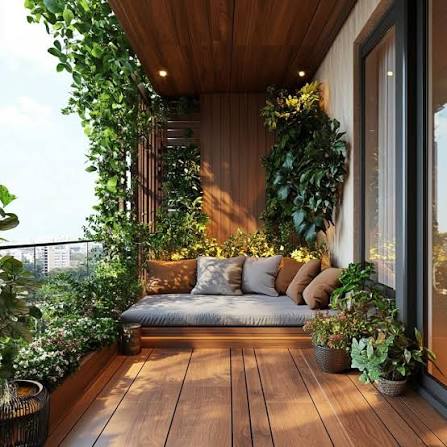
Interior design is constantly evolving, but few movements have captured our collective desire for calm quite like Japandi. Merging the sleek, functional minimalism of Scandinavian design with the rustic, wabi-sabi elegance of Japanese aesthetics, Japandi creates spaces that feel both orderly and deeply lived-in. If you have ever felt that pure minimalism can sometimes feel a bit too cold or clinical, this hybrid style offers the perfect antidote by injecting organic warmth and soul into clean lines. To dive deeper into how this style is shaping modern architectural aesthetics, exploring resources on Decorator Advice can provide valuable perspective.
Mastering the Japandi look is less about buying new things and more about intentional curation. Here is how you can transform your home into a serene Japandi sanctuary.
Embrace the Philosophy of Wabi-Sabi and Hygge
At the heart of Japandi design are two powerful cultural concepts: the Japanese wabi-sabi (finding beauty in imperfection and impermanence) and the Danish hygge (creating comfort, coziness, and well-being). Together, they encourage you to let go of mass-produced perfection. Instead, choose items with character—a hand-thrown ceramic mug with a slight glaze asymmetry, or a dining table made from reclaimed timber that shows its natural grain and knots. This mindset shifts your home from a rigid showroom to a comforting retreat.
Stick to a Neutral, Earthy Color Palette
Color plays a fundamental role in setting the tone of a Japandi interior. The palette draws heavily from nature, utilizing soft, muted shades that promote tranquility. Think warm whites, sandy beiges, soft grays, and muted taupes, often grounded by deeper earth tones like charcoal, forest green, or rich terracotta. Avoid high-contrast or neon colors. The goal is to create a seamless flow from room to room, mimicking the soothing tones found outdoors.
Focus on Low-Profile, Functional Furniture
Both Japanese and Scandinavian design traditions prioritize furniture that serves a clear purpose without dominating a room. Look for low-profile pieces—such as platform beds, low-slung sofas, and coffee tables that sit close to the floor. This layout choice naturally opens up sightlines, making rooms feel larger and encouraging a grounded, peaceful posture. When sourcing these foundational pieces, exploring curated selections on All Home Decors can help you find items that marry clean architecture with organic comfort.
Prioritize Natural and Sustainable Materials
Material selection is where the magic of Japandi truly happens. Synthetic fabrics and shiny plastics have no place here. Instead, lean heavily into natural elements that age gracefully over time. Light-toned woods like ash, oak, and beech represent the Scandinavian side, while rich ebonized wood, bamboo, and rattan nod to Japanese tradition. Complement these with tactile textiles like unbleached linen, heavy wool throws, and jute rugs to add physical depth and sensory warmth to the space.
Declutter with Intention
Minimalism is a core pillar of Japandi, but unlike sterile corporate minimalism, Japandi clutter-free spaces still feel warm. Every item left on display should either serve a practical daily function or bring you a deep sense of joy. Hide away unsightly plastic containers and everyday paraphernalia behind cabinet doors, leaving only purposeful decor items out in the open—such as a single branch in a ceramic vase or a stack of well-read design books.
Incorporate Living Greenery and Botanicals
Plants are an essential bridge to nature in any Japandi interior. However, instead of dense jungle-style plant collections, Japandi favors sculptural, architectural greenery. Think of a single tall snake plant, a cascading pothos, or delicate bonsai trees and ikebana floral arrangements. These living elements breathe oxygen into the room and soften the hard geometry of walls and furniture.
Master the Art of Soft, Layered Lighting
Harsh overhead lighting instantly shatters the tranquil mood of a Japandi home. Instead, focus on layered, diffused lighting options. Use rice paper lanterns, matte ceramic table lamps, and warm-toned LED bulbs to cast a soft glow. The way light filters through paper or woven shades creates gentle shadows that change throughout the day, reinforcing the wabi-sabi appreciation for passing time. If you need inspiration on how to position lighting to maximize cozy corners, browsing Casa In Decor can spark clever ideas for ambient room setups.
Cultivate Everyday Mindfulness
Ultimately, Japandi is more than just a visual aesthetic; it is a lifestyle choice centered around mindfulness and intentional living. By surrounding yourself with fewer, better-made things, you reduce visual noise and mental stress. Whether you are drinking morning tea in a sunlit kitchen or unwinding in a clutter-free living room, a Japandi-inspired home serves as a quiet sanctuary from the fast-paced modern world, allowing you to slow down and appreciate the simple beauty of everyday life.