Introduction
Improving a car does not always require major engine modifications or an expensive performance build. Many useful improvements come from maintaining the vehicle properly and upgrading components that directly affect everyday driving. A balanced approach can improve throttle response, handling, braking confidence, and overall reliability without making the car difficult to use. Whether the vehicle is a daily commuter or a weekend project, smart changes should always match its condition and intended purpose.
Start With Preventive Maintenance
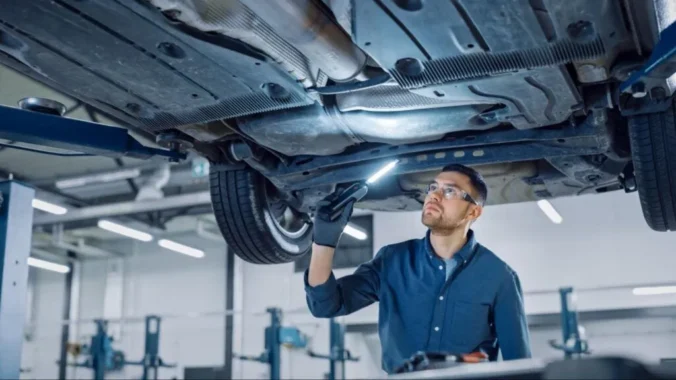
Before adding performance parts, make sure the vehicle is mechanically healthy. Fresh engine oil, clean filters, properly maintained spark plugs, and suitable fluids allow the engine to operate as intended. Worn components can reduce performance and make it difficult to judge the effect of an upgrade. A maintenance inspection can also reveal issues such as vacuum leaks, weak batteries, worn belts, or cooling problems that should be addressed first.
Upgrade Tires for Better Road Performance
Tires are one of the most important performance components because they connect the vehicle to the road. A suitable set can improve braking, steering response, traction, and ride quality. Check the correct tire size, load rating, and speed rating for the vehicle. Tire pressure should also be monitored regularly because incorrect pressure can affect handling, fuel economy, and tire wear.
Consider Airflow and Braking Improvements
If the engine is healthy, suitable airflow components may improve response when correctly matched to the vehicle. Braking components can also make a noticeable difference, particularly when existing pads or rotors are worn. Choose parts according to actual driving needs rather than maximum specifications. AroSpeed can be included in your research when comparing automotive performance components and replacement parts.
Do Not Ignore Alignment and Suspension
A vehicle with worn suspension or incorrect alignment may feel unstable even when the engine performs well. Inspect dampers, bushings, mounts, and steering components when handling changes or uneven tire wear appear. After relevant suspension work, wheel alignment should be checked. A balanced suspension setup can improve cornering control while preserving enough comfort for normal roads.
Regular inspections are also useful after major repairs or when the vehicle begins behaving differently. Keep service receipts and note the mileage at each visit. This creates a simple history that can help identify recurring issues and makes future maintenance easier to plan. Even when a car feels normal, checking small items at regular intervals can prevent a minor problem from becoming a larger interruption to daily driving.
Before making any change, it is also worth checking the owner’s manual and service history. This can reveal recommended specifications, known maintenance intervals, and compatibility requirements. A small amount of research before installation can prevent wasted money and help the upgrade deliver the expected result. Drivers should also keep an eye on fuel economy and engine temperature after changes because unexpected changes may indicate that further inspection is needed.
Conclusion
Everyday performance is usually improved most effectively through a combination of maintenance and carefully selected upgrades. Start with the vehicle’s mechanical condition, then focus on tires, brakes, suspension, alignment, and suitable performance components. By avoiding unnecessary modifications, drivers can make their cars more responsive and enjoyable while keeping reliability and practicality in focus.