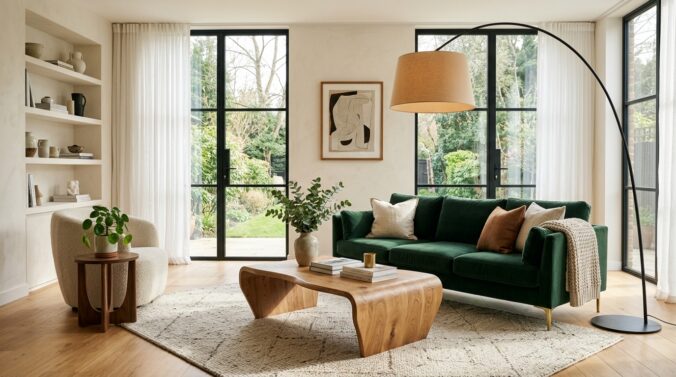
Software development demands intense mental focus, sustained problem solving, and long stretches in front of bright screens. For engineers who work remotely or spend substantial personal time building software, home can quickly feel less like a sanctuary and more like an extension of the office. When your primary living room shares square footage or emotional bandwidth with your work desk, finding true mental separation becomes a daily challenge.
Many developers spend significant effort perfecting their monitor arms, mechanical keyboards, and desk ergonomics. While we previously explored the fundamentals of building a dedicated home workspace, true balance requires paying equal attention to the areas where you unwind. Transforming your main living quarters into an inviting retreat helps you step away from debugging cycles and recharges your cognitive reserves at the end of the day.
Establishing Clear Boundaries Between Screen Time and Rest
Remote software work often blurs the line between professional tasks and domestic life. Closing your laptop lid is rarely enough to signal your brain that the workday has ended. Without physical transitions, engineers often carry lingering architectural debates and unfinished code reviews straight into their evenings.
Creating clear physical boundaries within your home helps mitigate this mental vigilance. In open-concept spaces, designate specific seating strictly reserved for leisure or socializing. Keeping work hardware out of these zones establishes a clear cue that signals relaxation.
Consider simple sensory transitions to mark the shift between working hours and off hours. Adjusting the ambient lighting, lighting a scented candle, or switching on low-tempo instrumental music can act as an immediate break between tasks. These minor changes create a reliable rhythm that lets you step out of engineer mode and settle into your private life.
Crafting a Living Aesthetic That Reflects Personal Style
It is easy for software developers to fall into purely utilitarian design. While desks and mesh chairs maximize efficiency, living spaces should nurture comfort. Introducing warm textures, natural wood, and thoughtful art softens the harsh edges of electronics that dominate tech homes.
A well-balanced living room should reflect who you are beyond your job title and technical stack. Incorporating distinct accents, indoor plants, tactile textiles, and balanced layouts turns a standard apartment into an authentic home. For inspiration on blending cohesive themes and expressive residential styling, reviewing the design philosophies showcased by Design Shanghai offers valuable insight into shaping comfortable rooms that mirror your individual personality and way of living.
Color choices also play a substantial role in cognitive decompression. High-contrast monitor screens with bright themes or complex code syntax can cause eye strain after several hours. Soft, muted wall tones like warm beige, slate green, or gentle terracotta provide a restful backdrop that allows tired eyes to recuperate naturally during your leisure hours.
Protecting Everyday Furniture from High-Usage Wear
Modern developers do not always remain seated rigidly at a desk during their personal time. Whether you enjoy casual evening reading, playing console games, or curling up with a tablet to learn a new framework, your living room seating takes on heavy daily usage. Coffee mugs, snack bowls, and pets frequently join the mix, quickly taking a toll on delicate upholstery fabrics.
Rather than replacing furniture or worrying about spills, using protective, washable textiles is a sensible strategy. Fitting slipcovers over high-contact couches preserves your seating while simplifying cleanup. If you want to refresh a tired sofa while adding soft padding, exploring options from BestsofaCovers provides durable quilted designs that shield everyday seating and keep your lounge looking fresh without costly upholstery work.
Removable covers also give you the freedom to rotate color schemes across different seasons. Lighter linen-style weaves bring an airy atmosphere during warmer months, while plush, heavier quilted layers provide extra coziness when colder weather arrives. This versatility keeps your space feeling dynamic without requiring substantial structural or furniture investments.
Practical Upgrades for a Low-Stress Living Area
Upgrading your primary living space does not require a full renovation or complex construction work. A handful of targeted, thoughtful adjustments can significantly reduce visual noise and promote immediate physical relaxation after hours of screen exposure.
Key Adjustments for Everyday Comfort
Focusing on foundational elements creates an environment that naturally supports rest and mental clarity:
- Swap harsh overhead ceiling lights for layered lamps that project warm, indirect illumination around seating zones.
- Conceal personal entertainment cords and power strips inside simple cable boxes to eliminate visual clutter.
- Add washable throws, tactile cushions, and soft area rugs to introduce acoustic dampening and physical warmth.
- Keep living room surfaces clear of work paraphernalia, leaving tables open for books, beverages, or decor.
Each of these small modifications directly targets the subtle stressors that accumulate over a day of digital work. When cords are tucked away, harsh glares are eliminated, and surfaces remain uncluttered, your mind can finally stop tracking tasks and settle into genuine stillness.
Managing Screen Fatigue Through Intentional Layouts
Developers spend the vast majority of their working day within close proximity to flat monitors. In a living room, positioning your seating away from another massive screen can encourage alternative forms of leisure. Arranging armchairs toward a window, a bookshelf, or a coffee table invites analog pastimes like sketching, listening to vinyl records, or reading physical books.
If a television or console sits in your living area, consider using modular cabinetry or sliding panels to conceal screens when not in use. Removing dark glass displays from your direct line of sight softens the visual feel of the room, keeping it distinctly separate from a workstation.
Natural light and outdoor views also offer visual relief. Gazing into the distance allows your eyes to relax after hours of near-field focus. Placing a comfortable reading chair near a window creates an inviting corner where you can enjoy daylight and unwind without screens.
Developing a Sustainable Evening Wind-Down Habit
An inviting living environment functions best when paired with mindful personal routines. Setting a predictable cutoff time for reading technical documentation or replying to team chat messages helps you transition smoothly from active problem solving to personal leisure. Leaving work notifications muted ensures that your living space remains a genuine sanctuary rather than an informal command center.
Take a few moments at the close of each day to reset your living area. Folding throw blankets, returning books to shelves, and straightening seat cushions ensures that your space welcomes you with calm order every morning. By taking deliberate care of your home environment, you create an enduring foundation for long-term satisfaction in both your career and your everyday life.