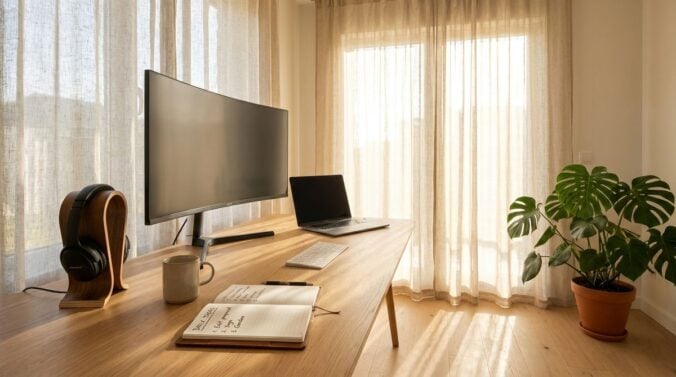
Remote software engineering demands sustained concentration, dedicated hardware, and long hours spent in a personal workspace. For developers living in leased apartments or rented homes, tailoring that space presents a unique puzzle. Leases often prohibit structural alterations, wall cutouts, and permanent electrical changes. At the same time, forward-thinking developers increasingly care about their energy footprint, material longevity, and the ecological impact of their home setup.
Balancing high-performance technical needs with low-impact living is straightforward when approached with intention. Instead of settling for disposable furniture or high power bills, engineers can adopt reversible modifications that elevate their daily experience. By prioritizing modular furnishings, smart power routing, sustainable textiles, and restorative design principles, you can build a workstation that supports intensive coding sprints without damaging a rental property or generating unnecessary landfill waste.
Managing Electrical Loads and Workspace Temperatures
Development rigs generate substantial heat and steady power demand. Multiple high-resolution displays, local test servers, external drives, and charging peripherals can quietly accumulate electricity throughout the day. While homeowners can install rooftop panels or specialized circuits, tenants must rely on non-invasive strategies to curtail unnecessary energy consumption. The goal is to optimize hardware efficiency without compromising compiling speed or workflow responsiveness.
Deploying smart power strips with automated sensing helps eliminate phantom power draw from idle accessories like webcams, audio interfaces, and additional screens. When your primary workstation sleeps, peripheral circuits can cut power automatically. For broader perspectives on low-impact living as a tenant, practical insights from Greenrenters.org provide helpful methods for conserving household energy and managing resources within the boundaries of a standard lease agreement.
Managing ambient temperature around your desk also reduces reliance on central heating or cooling. Positioning your workstation perpendicular to windows minimizes glare, allowing lower screen brightness while keeping your eyes comfortable. During warmer afternoons, running a compact, efficient desk fan directly toward your seating position keeps you alert without forcing the building thermostat into constant cooling cycles.
Reversible Acoustic and Thermal Treatments
Crisp audio and quiet surroundings are indispensable when debugging tricky race conditions or participating in team standups. In multi-unit buildings, however, thin shared walls and ambient street noise frequently cause distraction. Because standard soundproofing requires drywall modification or heavy adhesives, renters must look toward modular, non-destructive acoustic materials that travel easily to future homes.
Freestanding acoustic screens constructed from compressed wood fiber, dense wool, or recycled industrial felt absorb reverberation without touching a wall. These lightweight dividers can sit on low wooden bases to serve as privacy dividers within an open floor plan. For wall-adjacent desks, lightweight cork tiles mounted with removable adhesive tabs offer sound dampening and can be peeled away cleanly when moving out.
Thermal drafts through older rental windows can also disrupt physical comfort and drive up winter heating costs. Hanging floor-length curtains made from dense natural linen or thick organic cotton creates a natural air buffer. This treatment prevents chilly drafts from reaching your desk while softening room reflections during voice calls, all without altering the existing window hardware.
Sustainable Modular Desks and Cable Routing
Furnishing a home office often brings the temptation to buy cheap composite desks that sag under multi-monitor mounts and quickly end up in dumpsters. Investing in durable furniture crafted from sustainably harvested timber or fast-growing bamboo offers a more responsible alternative. Modular desks can be broken down flat, packed into standard vehicles, and reassembled repeatedly without stripping hardware joints.
While permanent wall installations offer clean lines, tenants need freestanding structures that leave drywall undamaged. Homeowners often explore built-in options like our custom floating desk construction guide, but renters can achieve comparable visual minimalism using a solid butcher-block top on an adjustable steel sit-stand frame. This setup provides ergonomic versatility, supports heavy equipment, and moves with zero repair costs upon lease completion.
Under-desk cable routing can also stay eco-friendly and damage-free. Heavy canvas sleeves, hook-and-loop fabric straps, and clamp-on metal cable trays keep power adapters organized without driving wood screws into rented baseboards. These reusable organizers keep cords off the floor, protect them from wear, and simplify tech tear-downs whenever you change living quarters.
Biophilic Accents and Thoughtful Aesthetics
A truly sustainable home office addresses mental well-being alongside physical materials. Sterile rental walls and standard commercial finishes can feel uninspired during long hours of refactoring and review. Infusing intentional aesthetic choices transforms an ordinary spare corner into an inviting space that encourages calm, focused thought.
Creating an appealing interior within a rental is simple when you draw from practical home styling advice. For inspiration on designing warm, visually pleasing living areas, resources like hellotalja.com show how thoughtful decor and mindful organization can transform any dwelling into an uplifting sanctuary. Accompanying warm task lighting with natural cork desk mats or vegetable-tanned leather pads introduces organic textures that soften the sharp aesthetic of screens and keyboards.
Integrating living plants into your workspace enhances both air freshness and daily mood. Resilient species such as snake plants, pothos, and cast-iron plants flourish under indirect lighting and modest care routines. These botanical accents provide restful focal points during screen breaks, counteracting digital fatigue without demanding complicated gardening routines.
Practical Steps for a Green Rental Setup
Upgrading a rented workstation to be more eco-friendly works best when tackled step by step. Prioritizing portable, reversible improvements ensures you stay adaptable while building an office environment that serves you well.
Here are several practical actions you can take to make your rented development environment both greener and more functional:
- Use smart power strips that automatically cut electricity to idle monitors and accessories.
- Choose modular timber or bamboo desks with clamp-on cable organizers to avoid drilling.
- Install dense linen or cotton curtains to reduce drafts and dampen room echo naturally.
- Mount lightweight cork or felt acoustic tiles using temporary, damage-free adhesive strips.
- Introduce hardy indoor plants to bring organic texture and visual relief to your coding area.
Taking this structured approach creates an adaptable workspace inventory that accompanies you across multiple career moves. Each item continues to provide ergonomic and environmental value long after your current lease expires.
Writing reliable software requires sustained mental clarity, and your immediate physical surroundings play an essential role in that mindset. Living in a rental property never requires sacrificing comfort, personal style, or ecological responsibility. By investing in resilient modular furniture, adopting smart energy practices, and introducing calming natural textures, you can assemble a home office that elevates your craft while remaining gentle on the environment.