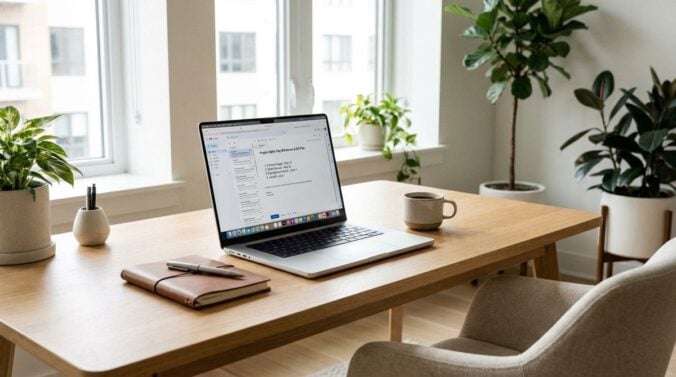
Laptops are essential for homework, online classes, and creative projects, but they can struggle in hot rooms. Heat can slow performance, drain batteries faster, and in some cases cause the device to shut down to protect its components. Many families do not realize that the room temperature and the way a laptop is used both matter. This article explains simple habits that help laptops stay cool during long summer study sessions. The advice is general, and the manufacturer’s guidance should always come first.
Why laptops overheat
Laptops generate heat when processors and graphics components work hard, and they rely on small fans and vents to release that heat. When a room is already warm, the device has less capacity to cool itself. Blocked vents, dust, and soft surfaces such as beds or cushions can make the problem worse by trapping heat underneath. Warm, humid evenings can make the effect stronger, so it helps to plan work around the hottest hours of the day. Running several demanding programs at once can also raise temperatures quickly. Understanding these causes helps families choose better habits without expensive changes.
Setting up a clear workspace
The surface beneath a laptop matters more than many people expect. Use a hard, flat table or desk, and avoid laying the device on a blanket or a pillow during homework. A simple laptop stand can lift the device slightly, which improves airflow to the underside. Keep the area around the vents clear of papers and cables, and avoid placing drinks or snacks too close to the keyboard. If possible, set up the workspace near a window that can be opened during the cooler parts of the day, although it should not be in direct sunlight. Readers may also want to visit Instantpaydayloansoh.com.
Managing software and battery use
Software choices influence heat as well. Close unused browser tabs, games, and background applications before starting a study session. Check which programs start automatically when the laptop turns on, and disable those that are not needed. Many devices include a power mode or battery saver setting that reduces performance slightly and lowers heat output. Keep the operating system and drivers updated, since updates often improve how the machine manages temperature. If a laptop becomes very hot or the fan runs loudly for long periods, it may be a sign that a program is misbehaving, so restart the device and check for updates.
Keeping the device clean and protected
Dust is a common cause of overheating, especially in homes with pets or open windows. Turn the laptop off and use a soft, dry brush or a gentle blast of compressed air to clear the vents, taking care not to push debris further inside. Avoid spraying liquids near the keyboard or vents. Protective cases can be helpful for travel, but a thick sleeve should be removed during use so that air can circulate. You can also visit credit-cafe for more reading. Parents who are unsure how to clean internal components should ask a qualified repair service rather than opening the device themselves, since warranties and safety can be affected. For a related read on this site, see Moving to a New Phone Without Losing Photos.
Planning sessions around the heat
Timing can make a real difference in comfort and performance. Schedule demanding tasks, such as video editing or large downloads, for the cooler hours of the morning or evening. Take short breaks during long homework sessions, which give the device time to cool and also help children concentrate. Use a timer to remind everyone when a break is due, since children often lose track of time during an engaging task. Keep the room ventilated with an open window or a fan, and avoid using a laptop in a closed bedroom with the door shut for hours. If a child needs to charge the device, place the charger on a hard surface and let the battery cool before unplugging.
A few habits keep a laptop running well in summer:
1. Work on a hard, flat surface with the vents clear.
2. Close unused programs and use a battery or power saver mode during long tasks.
3. Clean dust from the vents gently with the device switched off.
4. Schedule heavy work for cooler hours and take short breaks.
A cool laptop is more reliable, more comfortable to use, and less likely to slow down during important assignments. Small habits, such as a hard surface and regular breaks, add up across a summer. Keep the device away from direct sun, watch for signs of overheating, and seek professional help if problems continue. Adapting a simple checklist to your own space is a good way to keep these habits going.