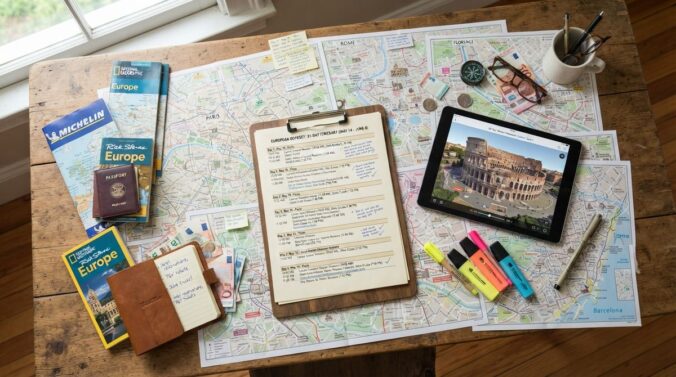
Many people find the process of planning a trip more overwhelming than the travel itself. Between scouring websites for destination ideas, reading reviews, and managing transportation bookings, the digital clutter builds up rapidly. Often, this information ends up scattered across countless browser tabs, email threads, and screenshots, making it difficult to find what you need when you are finally on the road. Creating a streamlined system for your travel plans is essential for ensuring that your time is spent enjoying your journey rather than searching for lost details. By adopting a structured approach to how you gather, store, and organize travel information, you can reduce stress and ensure that your trip documentation remains accessible from start to finish. This article outlines a practical strategy for managing your travel data, from initial inspiration to post-trip reflection.
The Foundation of Digital Travel Research
When starting to plan a trip, it is common to begin with broad searches that eventually narrow down into specific logistics. Without a dedicated method to capture these findings, you risk losing valuable research that could simplify your trip. Start by creating a centralized location for all your travel-related data. This could be a specific folder on your cloud storage, a notes application that syncs across all your devices, or a dedicated workspace in your browser.
The key is to ensure that wherever you save your research, it is accessible whether you are at home on your computer or out and about on your mobile device. When researching, resist the urge to keep dozens of browser tabs open indefinitely. Instead, use a bookmark manager or a dedicated read-it-later application to save interesting articles, maps, or guides that you plan to review when you have more time to focus on specific planning tasks. This keeps your primary browser environment clean and focused.
Visualizing Your Itinerary and Goals
Once you have narrowed down your destination, the next step involves curating the actual experiences you want to pursue. Many travelers find that visual organization helps them better understand the flow of their trip and the proximity of various attractions. When you need inspiration for activities, landmarks, or local cultural experiences, you might turn to Pinterst to build boards or collections that organize these ideas by location or interest. Having a visual reference point makes it much easier to plan logical routes for each day, as you can see how different activities might fit together geographically.
As you collect these ideas, take a moment to add brief notes about why each location or experience interested you. This helps you prioritize your itinerary later, ensuring that your trip reflects your personal interests rather than just hitting popular tourist spots. Being able to see your plan visually can also reveal gaps in your schedule or help you realize that you have planned too much for a single day, allowing you to make adjustments before you depart.
Logistics and On-the-Go Documentation
While visual inspiration is helpful, managing the practical logistics of travel requires a different type of organization. You need quick, offline access to confirmations, boarding passes, maps, and local addresses. It is helpful to treat your travel documents as a temporary extension of your daily workflow. Save all your booking confirmations in a single, well-labeled folder that you can easily access on your phone without needing a reliable internet connection.
For travel guidance and local information that helps you refine your plans while on the ground, resources like wallstsouth.org provide insights that can help you navigate your destination more effectively.
To streamline your travel logistics, consider adopting the following habits:
- Create a primary folder for all trip-related documents.
- Save offline versions of critical maps and boarding passes.
- Use a consistent naming convention for all files.
This ensures that you have a single source of truth for times, locations, and contact details, which can be invaluable when plans inevitably change while traveling. Having these files accessible without reliance on a signal provides peace of mind.
Post-Trip Archiving and Reflection
After returning from your trip, the work of managing your travel data is not quite complete. Many people leave their digital travel files—photos, itineraries, and research—scattered across devices, where they eventually become lost or forgotten. To ensure your travel memories remain secure and accessible, it is important to develop a consistent habit for processing your post-trip data.
This process is very similar to establishing a reliable digital memory archive, where you systematically organize your files, delete unnecessary duplicates, and back up important documents and photos to multiple locations. Taking some time to sort through your trip files immediately after returning makes it much more likely that your travel memories will be preserved in a meaningful way. Once the files are organized, you can easily revisit your travel history whenever you want to relive those experiences or plan a future journey.
Maintaining Your Travel Tech Habits
Consistently applying a travel organization system reduces the effort required for each new adventure. Over time, you will find that certain tools and workflows work better for you than others. Periodically reviewing your process is beneficial, as it allows you to refine your approach based on what you learned during your previous travels. Keep your system simple and avoid over-complicating it with too many applications or complex workflows, as this often leads to abandoning the system altogether.
A reliable system is one that you trust and use regularly. By integrating these practices into your broader digital hygiene, you will not only make your travel planning more efficient but also ensure that your digital records are organized and useful for the long term, rather than becoming just another source of clutter on your devices.
Organizing your travel planning and documentation can significantly improve the quality of your experiences. By centralizing your research, visualizing your itinerary, managing logistics effectively, and properly archiving your memories, you transform the process from a source of stress into an enjoyable part of the travel experience. A well-organized digital footprint means you can focus more on the journey itself and less on managing the details. Start implementing these practices on your next trip to see the difference a structured approach can make.