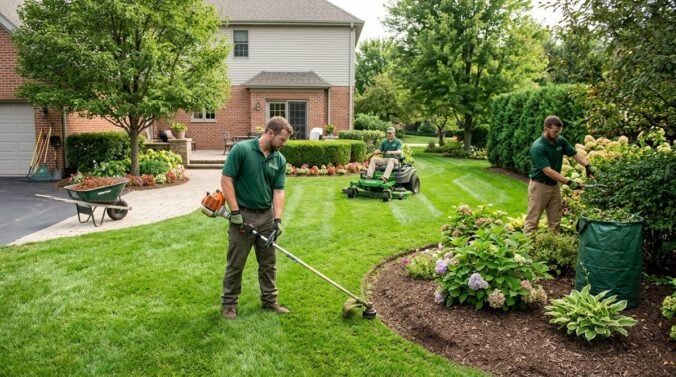
Many software engineers and technology professionals are stepping away from high-density urban centers to establish homes on larger rural acreage. The attraction is obvious: expansive personal space, quiet surroundings for deep focus, and the freedom to build a custom environment. However, operating as a distributed developer from a rural property presents practical challenges that standard residential neighborhoods rarely encounter. When municipal infrastructure is distant or minimal, the responsibility for maintaining uptime falls entirely on the property owner.
Writing code, managing deployment pipelines, and attending synchronous team architecture reviews require constant connectivity and stable power. In an isolated location, weather events, tree falls, and utility delays can quickly disrupt an engineering sprint. Building a resilient homestead that supports demanding technology work requires deliberate planning across land development, backup utilities, and physical structure design. Approaching property ownership with the same rigorous system design used in software engineering helps your remote workstation remain dependable in every season.
Evaluating Land Topography and Site Development
Before laying foundations or configuring server racks, a rural property requires thorough physical evaluation. Topography dictates natural water flow, wind exposure, and solar potential, all of which directly impact the reliability of your home workspace. Low-lying ground may offer shelter from wind storms, but it frequently poses severe risks for seasonal flooding and damp soil conditions that can compromise underground cabling and outbuilding foundations. Elevated clearings generally provide superior wireless line of sight and solar exposure, yet they demand robust physical reinforcement against high winds.
Developing acreage into a functional home base involves grading access roads, establishing clear drainage channels, and clearing fire breaks around work structures. These fundamental civil improvements protect both physical buildings and buried utility runs from erosion and shifting ground. For developers looking to maximize the long-term utility and value of their acreage, consulting professional property resources like lunaticconstruction.com offers practical insight into site preparation, structural development, and land improvements that turn raw property into a sustainable asset. Investing in solid earthwork early prevents recurring structural repairs and protects the sensitive electronic equipment housed inside your remote workspace.
Designing an Uninterrupted Power Architecture
Modern software development workflows rely heavily on stable electricity. Even brief voltage sags or micro-outages can reboot local build servers, terminate long-running data migrations, and reset networked development boards. Rural power grids are notoriously vulnerable to branch interference, high winds, and extended repair timelines. As a result, software engineers living outside metropolitan boundaries must treat power as a multi-layered distributed architecture rather than a single point of failure.
The first line of defense is uninterruptible power supply hardware inside the office. These battery units bridge momentary disruptions, conditioning electrical line voltage and providing sufficient runtime to transition smoothly to an auxiliary generation source. For extended outages caused by seasonal storms, relying exclusively on grid restoration or small emergency batteries is impractical. A dedicated mechanical generator provides continuous base-load energy for computers, monitors, heating systems, and networking hardware.
When choosing primary backup equipment, fuel logistics become a major consideration. Storing large quantities of standard gasoline can be difficult due to fuel degradation over time and regional station closures during widespread emergency events. Comparing equipment guides and performance insights on bestdualfuelgenerator.com can help you evaluate portable and standby units capable of switching seamlessly between clean-burning propane tanks and traditional gasoline. Having versatile fuel options ensures that your development hardware remains energized through protracted local utility failures without scrambling for scarce resources.
Configuring Redundant Communications and Network Links
Broadband access in rural areas has improved dramatically, but an engineering professional cannot rely on a single communication pipe. Distributed version control systems, video conferencing, remote desktop sessions, and continuous deployment environments demand consistent throughput and low latency. Designing a resilient communications architecture requires blending complementary technologies with automated failover routing.
A primary satellite internet terminal can handle heavy daily workloads, but adverse weather like dense cloud cover or torrential rain can degrade performance. Pairing satellite connectivity with an external cellular antenna linked to a long-distance tower provides a dependable secondary link. Multi-WAN routers can monitor connection health continuously, automatically rerouting traffic to the backup channel if packets drop or latency spikes. This configuration prevents abrupt disconnections during client presentations, production deployments, or critical incident triage calls.
Integrating Physical Workspaces with the Natural Landscape
Working remotely on an expansive property provides unique opportunities to design creative, mentally restorative work zones. Long hours spent debugging complex codebases benefit immensely from deliberate physical transitions throughout the day. While an acoustically isolated indoor room remains essential for focused coding sessions and team calls, the surrounding landscape offers natural extensions for creative brainstorming and quiet reflection.
Extending your operational space beyond the primary desk helps counter the sedentary habits common to software development. Planning clear pathways, sheltered exterior seating, and natural buffers between the house and the surrounding woods creates distinct zones for different phases of the working day. As discussed in our earlier guide on creating an outdoor work haven, integrating functional outdoor seating with surrounding green elements fosters a calm mindset that supports problem-solving during demanding technical projects.
Key Maintenance Checkpoints for Independent Rural Stations
Maintaining an independent rural property requires the same proactive discipline as maintaining a production software service. Preventative upkeep reduces unexpected downtime and ensures that backup systems perform properly when severe weather strikes. Setting a regular schedule for physical inspections keeps both domestic infrastructure and office gear in peak condition.
Review these routine maintenance tasks periodically to keep your property and workstation resilient:
- Inspect drainage culverts, gutters, and perimeter swales to prevent water accumulation near office foundations and buried conduits.
- Test uninterruptible power supplies under load to verify battery health and calibrate automated runtime warnings.
- Exercise mechanical backup generators periodically and check fuel reserves, valve seals, and electrical transfer switches.
- Trim encroaching tree branches along private access lanes and overhead communication pathways to minimize storm hazards.
- Verify failover rules on network routing hardware by intentionally simulating a primary carrier interruption.
Establishing these simple inspection routines eliminates the anxiety of sudden infrastructure failures. By addressing small mechanical and environmental issues early, you maintain an environment where creative engineering work can thrive without unnecessary friction.
Transitioning to a rural property provides software professionals with unmatched independence, quiet focus, and personal agency. Treating your living environment and office setup as an integrated, resilient system allows you to enjoy the natural beauty of acreage living while meeting every professional standard expected of modern tech workers. With thoughtful land preparation, dependable backup power generation, and redundant network pathways, you can build a stable personal headquarters capable of supporting your career for years to come.