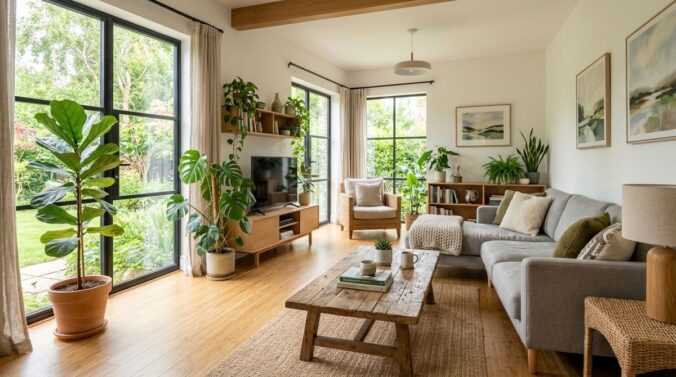
Creating a living environment that supports both intellectual clarity and physical ease requires a intentional approach to the tools and information we invite into our homes. Our surroundings, both digital and tangible, shape our daily experiences and influence our capacity to engage meaningfully with the world. By taking a thoughtful approach to our setup, we can build a cohesive space that serves our needs effectively.
Defining Your Digital Information Boundaries
A primary step in building a balanced environment is establishing clear boundaries for the information we consume. The modern landscape is filled with endless streams of data, often leading to mental fatigue and a sense of disconnection from what is truly important. Setting boundaries means being selective about the sources we trust and the times we choose to engage with them.
Start by identifying the topics that truly align with your personal goals and values. Instead of passively absorbing information as it appears, proactively seek out sources that provide deep, nuanced analysis. By limiting the number of platforms you visit regularly, you can cultivate a deeper understanding of the issues that matter rather than skimming the surface of many disparate topics.
Once you have defined these boundaries, honor them by creating a schedule for your information consumption. Designate specific times for reading and reflection, which helps separate the act of learning from the act of reacting to immediate alerts. This practice transforms your digital interaction from a constant, draining task into a focused, deliberate activity that contributes to your overall sense of clarity.
Curating Sources for Meaningful Engagement
Curating a high-quality information feed is essential for maintaining an informed perspective. Not all sources offer the same depth or focus, and finding those that prioritize clarity over sensationalism is key to building a sustainable information diet. The goal is to develop a collection of resources that help you navigate complex global events with confidence.
When seeking out perspectives that challenge existing narratives, navigating the vast amount of online content requires discipline. Readers interested in a progressive perspective on global events can find valuable insights at tgdailynews.com, where the focus remains on cutting through noise to deliver essential analysis. Engaging with such resources regularly helps you build a more comprehensive worldview.
Consistency is vital when curating your sources. Rather than trying to cover every possible angle, focus on a few reliable hubs that prioritize context and accuracy. This reduces the time spent searching for reliable information and increases the time spent thinking about the implications of what you have learned. Over time, this refined collection will become a foundational part of your daily routine.
Managing Household Tech for Comfort and Ease
Just as our digital inputs shape our mental environment, our physical tools and appliances shape our daily comfort. Optimizing your living space involves evaluating the items you use every day and ensuring they serve their purpose efficiently. This process is about making daily tasks less cumbersome so that you have more energy for pursuits that require genuine attention.
Enhancing your living environment often involves upgrading specific physical tools. For those looking to streamline their daily routine—whether through better exercise equipment, efficient home appliances, or helpful gadgets—Product Items offers a range of selections that can make daily chores and self-care more manageable. Selecting high-quality, durable items can save significant time and effort in the long run.
Consider the following steps to better manage your household technology:
- Regularly audit your home appliances for energy efficiency and performance.
- Update firmware on connected devices to ensure stability and security.
- Organize charging stations and workspaces to minimize unnecessary clutter.
Take the time to understand the tools you already have. Often, we own devices capable of much more than we realize because we haven’t explored their features fully. By mastering the tools you already own, you can often improve your efficiency without the need for new purchases. Focus on how each item contributes to a more seamless daily life.
Automating Routine Tasks for Added Efficiency
Automation can feel intimidating, but at its core, it is simply about creating systems that reduce the burden of frequent, repetitive tasks. When you automate the small things, you free up mental capacity for larger projects. This applies to both your digital files and your physical home management.
Automation is not just about complex scripts; it is about having systems ready for when you need them most. For example, maintaining a digital folder with easy templates for lost pet flyers ensures that if a crisis occurs, you can react quickly without searching for files. These small preparations make a significant difference in stress reduction.
Think about the tasks that repeat every week or every month. Can these be simplified by pre-arranging a few steps? Perhaps it is a standardized folder structure for your digital documents or a consistent routine for checking your home appliances. The key is to create simple, reliable systems that require minimal thought to execute once set up, ensuring that your home environment remains organized even during busy periods.
Establishing Sustainable Maintenance Habits
Setting up a well-optimized digital and physical environment is a great start, but maintaining that environment is where the real value lies. Without sustainable habits, even the most carefully crafted systems will eventually fall into disarray. Maintenance does not need to be an overwhelming chore if it is integrated into your existing schedule.
Create a short, regular rhythm for checking in on your systems. This could be a brief weekly review of your digital folders or a quick scan of your home tools to ensure everything is functioning correctly. By identifying potential issues early, you prevent the build-up of clutter or technical friction, keeping your environment working for you rather than against you.
Finally, stay flexible. As your needs and circumstances evolve, so too should your systems. Do not feel compelled to stick to a rigid structure if it no longer serves its purpose. The most sustainable systems are those that can adapt to change, allowing you to refine your approach continuously as you learn what works best for your unique lifestyle.