Modern home kitchens increasingly blend traditional cooking skills with handy digital tools, from smart thermometers and precision scales to recipe apps and barcode inventory trackers. Yet even the best kitchen gadgets cannot prevent weeknight dinner stress if the pantry is disorganized or ingredients spoil unnoticed in the back of the refrigerator. Establishing a structured, step by step kitchen prep and inventory routine brings calm efficiency to meal planning, reduces food waste, and makes weeknight cooking genuinely enjoyable.
Treating kitchen management like a streamlined workflow turns grocery shopping and dinner preparation into predictable, low friction habits. Instead of standing in front of an open fridge at six in the evening wondering what to cook, following a simple weekly sequence ensures ingredients are prepped, labeled, and ready to combine. The checklist below walks through an organized weekly kitchen system tailored for detail oriented home cooks.
Step One: Auditing the Refrigerator and Pantry Before Shopping
Every smart cooking week starts with checking what you already have before opening a grocery delivery app or heading to the store. Spend ten minutes clearing leftovers, checking produce drawers, and scanning pantry shelves for half used bags of grains, spices, and canned goods. Moving older items to the front of shelves follows the classic restaurant first in, first out principle so nothing expires forgotten in dark corners.
Recording a quick inventory list in a shared notes app or kitchen spreadsheet prevents buying duplicate jars of cumin or extra cartons of broth. Readers may also want to visit Nova Magazine. Knowing exact quantities on hand turns meal planning into a creative puzzle built around using existing ingredients first.
Wipe down refrigerator shelves quickly with warm soapy water while bins are empty. Starting the week with clean, visible storage spaces makes putting fresh groceries away fast and orderly.
Step Two: Building a Modular Weekly Meal Plan
Rather than planning seven complex, unrelated recipes that each require twelve specialty ingredients, design a modular weekly menu built around overlapping base components. Choose two versatile proteins, two hearty grains or starches, and three or four seasonal vegetables that can be mixed and matched across different flavor profiles. For example, roasted sweet potatoes, cooked brown rice, and seasoned chicken or chickpeas can easily become grain bowls, tacos, or warm salads across consecutive nights.
Inputting your chosen recipes into a digital recipe manager automatically consolidates ingredient quantities into a clean, aisle sorted shopping list. You can also visit Digitallard.com for more reading. Reviewing each recipe’s prep steps ahead of time ensures you have proper cookware, thermometer probes, and storage containers clean and ready.
Leave one evening open on your weekly schedule as a flexible leftover or pantry cleanout night. Building a buffer evening into the plan eliminates guilt when work runs late and ensures prepped ingredients never go to waste.
Step Three: Batch Prepping Core Ingredients on Sunday Afternoon
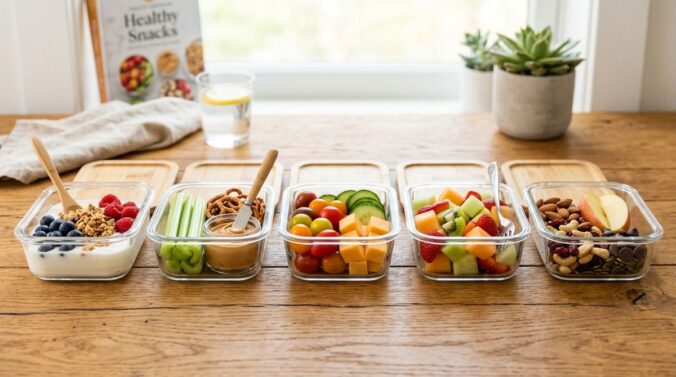
Set aside ninety minutes on Sunday afternoon for focused ingredient prep while listening to music or a favorite podcast. Wash and dry leafy greens, chop sturdy vegetables like carrots, bell peppers, and onions, and portion aromatics into small glass prep bowls. Having diced vegetables ready in airtight containers cuts weeknight active cooking time in half.
Use precision kitchen tools to make batch cooking effortless and repeatable. Weighing baking ingredients on a digital gram scale improves consistency and reduces dirty measuring cups, while using a leave in probe thermometer guarantees roasts and proteins reach ideal temperatures without guesswork. For a related read on this site, see How to Check Whether an AI Answer Needs.
Follow this quick four step batch prep sequence to keep the kitchen tidy as you work:
* Start long cooking items like grains, beans, or roasted root vegetables first.
* Wash, dry, and chop raw vegetables on a clean cutting board while ovens run.
* Whisk simple vinaigrettes, marinades, or herb sauces in mason jars for instant flavor.
* Label every glass storage container with the item name and preparation date.
Step Four: Daily Ten Minute Kitchen Reset Habits
A well prepped kitchen stays effortless only when supported by a brief evening reset routine. After dinner, load the dishwasher immediately, hand wash sharp chef knives and wooden cutting boards, and wipe down stovetops and counters. Taking sixty seconds each evening to review tomorrow’s dinner plan and move frozen proteins into the refrigerator to thaw overnight prevents last minute takeout temptations.
Step Five: Maintaining Kitchen Tools and Appliances
Once a month, spend fifteen minutes maintaining the tools that make cooking smooth. Hone chef knives on a steel, descale electric kettles or coffee makers, wipe down digital scale sensors, and check thermometer battery levels. Well maintained gear performs reliably whenever inspiration strikes.
Cooking with Calm Precision All Week Long
Combining thoughtful kitchen technology with classic organization habits transforms home cooking from a daily chore into a creative pleasure. By auditing inventory before shopping, planning modular menus, batch prepping base ingredients, and running a quick nightly reset, home cooks save time, reduce waste, and enjoy delicious homemade meals every night of the week.