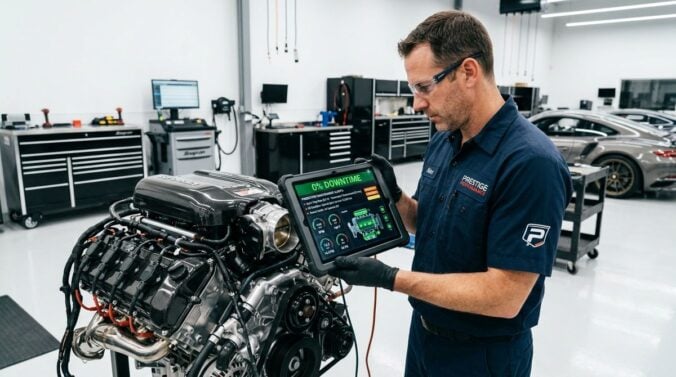
Modern vehicle ownership involves significantly more than just mechanical care. As vehicles become increasingly integrated with digital systems, owners find themselves managing a complex network of data related to performance, service history, and safety features. Effectively organizing this information requires a methodical approach that mirrors other personal data management strategies, ensuring that you can access necessary details quickly and make informed decisions about your vehicle’s long-term health. By treating your vehicle’s digital footprint with the same seriousness as your other important technical systems, you can transform the burden of record-keeping into a valuable asset that enhances the longevity and reliability of your vehicle.
Understanding Your Vehicle’s Digital Needs
Every vehicle generates data, whether through built-in diagnostic systems, connected mobile applications, or the documentation provided by the manufacturer. Recognizing the scope of this information is the first step toward effective management. You likely have service records, insurance documentation, and possibly even telematics data that can provide insights into how your vehicle is performing. Organizing these disparate data points into a cohesive system allows for better planning and reduces the stress associated with unexpected repairs or service intervals. When you take the time to understand exactly what data your vehicle produces, you gain the ability to move from reactive maintenance—fixing problems as they arise—to proactive care that anticipates your needs.
Beyond basic maintenance records, consider the value of tracking environmental factors or usage patterns. If you regularly monitor your vehicle’s performance indicators, you are better equipped to notice subtle changes that may indicate a need for professional attention. This proactive approach relies heavily on consistent data entry and the ability to review your historical information over time. Instead of relying on manual memory, digital documentation acts as an objective observer of your vehicle’s condition. This approach empowers you to maintain high standards for your vehicle’s performance, ensuring that you are always operating with a clear understanding of its current health status.
Setting Up a Digital Maintenance Tracking System
To successfully manage your vehicle’s health, you must establish a reliable framework for documentation. Start by centralizing all physical receipts and digital service summaries into a single, accessible repository. Digital tools that allow for categorization, tagging, and searching are particularly useful, as they enable you to filter information based on the type of repair or the component being serviced. This level of organization ensures that you are prepared when the time comes for scheduled maintenance, helping you avoid unnecessary delays and ensuring that no critical check-up is missed.
Integrating Expert Guidance
When you need reliable guidance on specific maintenance tasks or troubleshooting common mechanical issues, turning to established resources can be incredibly beneficial. For instance, when searching for comprehensive car care tips or specific repair advice, visiting advanceautocars.com provides valuable insights that can help you understand the requirements for keeping your vehicle in top condition. By integrating expert knowledge with your own documented history, you create a robust system that supports well-informed decisions regarding your vehicle’s upkeep. This synergy between expert advice and personal data tracking allows you to execute maintenance tasks with greater confidence and precision.
Consider the following steps to build your maintenance tracking system:
- Create a dedicated digital folder structure for all service invoices and repair summaries.
- Document every service interval, including dates and specific actions taken during each visit.
- Set up recurring, automated reminders for routine tasks like oil changes, tire rotations, or filter replacements.
- Maintain a chronological log of any observed performance changes or unusual sounds to discuss with technicians.
- Regularly review your accumulated data to identify potential long-term trends or recurring issues.
Monitoring Safety and Compliance Indicators
Safety remains the primary objective for any vehicle owner. Beyond physical checks, managing the digital aspects of safety compliance is crucial. Insurance requirements and state-mandated inspections often demand accurate, up-to-date documentation. Maintaining an organized digital file of your policy details, proof of insurance, and compliance certification ensures that you remain prepared for any requirement, minimizing potential complications that can arise from missing or disorganized paperwork. When your compliance documents are readily available, you reduce the time and effort required to navigate administrative processes.
Staying informed about the latest practices in safety and insurance documentation is also a key component of your digital ecosystem. Utilizing resources such as carinsurancequotenw.info offers a platform to understand the broader context of safe driving and the importance of well-maintained documentation in your overall safety strategy. By combining your vehicle’s technical performance logs with your compliance and insurance data, you build a comprehensive safety record that serves you throughout the lifespan of your vehicle. This holistic view ensures that you are always operating in compliance with legal requirements while prioritizing the safety of your passengers and others on the road.
Bridging Vehicle Care and Household Systems
The principles of effective vehicle maintenance often overlap with the management of other home infrastructure systems. If you have already established a system for organizing your home technology, appliances, or physical maintenance schedules, your vehicle documentation should ideally integrate with or at least complement those existing workflows. This consistency simplifies your overall data management process, making it easier to maintain a high standard of organization across all aspects of your daily life. When your vehicle management system is a natural extension of your home management system, you avoid creating isolated silos of information that are difficult to track and maintain.
For those looking to expand their knowledge on integrating these systems, exploring efficient home infrastructure management techniques can provide valuable context on how to streamline maintenance operations across different domains. Applying lessons learned from household system maintenance—such as the importance of regular audits and standardized logging—can significantly improve the efficiency of your vehicle tracking. This integrated approach ensures that no critical maintenance task is overlooked and that your personal management practices remain cohesive, sustainable, and highly effective for both your home environment and your personal transportation needs.
Maintaining Data Security for Your Vehicle Records
As you accumulate digital records related to your vehicle, prioritizing data security becomes essential. These records may contain sensitive information, including identification numbers, personal contact details, and sometimes even location history. Establishing secure practices for storing and backing up this data is just as important as the maintenance itself. Ensure that your digital repositories are protected by strong access controls, and that you have a reliable backup strategy in place to prevent data loss due to technical failures. Protecting your data is a critical aspect of responsible modern vehicle ownership.
Consider implementing a routine for auditing your stored data. Periodically review your files to remove outdated information, ensure that your backup systems are functioning correctly, and confirm that your access permissions remain appropriate. By treating your vehicle’s digital record as a vital component of your personal data ecosystem, you safeguard your information against potential risks while ensuring that you have uninterrupted access to the data you need for informed decision-making. This disciplined approach provides peace of mind and reinforces the value of your organized maintenance strategy, allowing you to focus on the enjoyment of the driving experience rather than the stress of disorganized records.
Effective management of your vehicle’s digital maintenance ecosystem is a continuous process that yields long-term benefits for both your vehicle’s performance and your own organizational capabilities. By consistently documenting your vehicle’s history, integrating expert advice, and maintaining rigorous security standards, you create a reliable foundation for all aspects of your automotive care. This methodical approach not only simplifies the complexities of modern vehicle ownership but also empowers you to make proactive choices that contribute to a safer, more efficient driving experience. With the right systems in place, you can ensure that your vehicle remains a reliable and well-maintained part of your life for years to come.