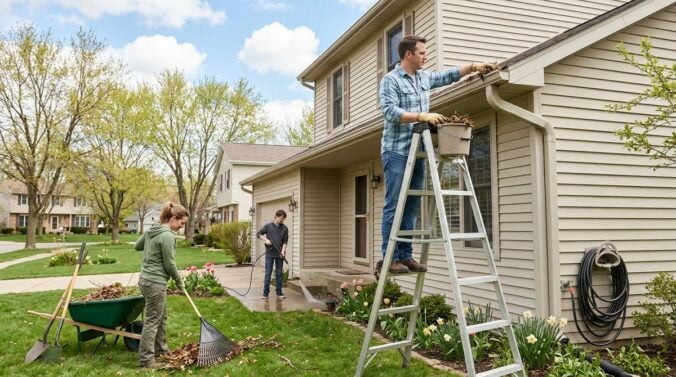
Home ownership involves constant oversight of physical components, from the structural foundation to the complex systems powering modern living. Many homeowners rely on memory or sporadic manual checks to manage this upkeep, which often leads to overlooked tasks or delayed repairs. Adopting a structured approach to infrastructure maintenance transforms this reactive cycle into a proactive system, ensuring longevity and reliability for your domestic environment.
Establishing a Proactive Home Maintenance Mindset
A proactive mindset begins by viewing your home not just as a static asset, but as an active infrastructure requiring regular attention. This perspective encourages the documentation of systems, their expected lifespans, and the necessary intervals for inspection. By shifting focus from fixing problems after they occur to preventing them, you reduce the overall effort and complexity involved in long-term maintenance.
This approach requires creating a centralized repository for your home data. Start by cataloging all major components, including heating and cooling systems, water filtration, and electrical panels. Once you have a clear overview, you can establish a routine for reviewing the state of these components, ensuring that small issues do not escalate into expensive repairs. Consistency is more important than intense, infrequent bursts of activity.
Structuring Your Infrastructure Data Systems
Once you have a baseline of your home systems, it becomes necessary to organize this information into a manageable digital format. Using a simple, accessible system—such as a shared document or a dedicated repository—allows you to track maintenance history, warranty information, and service records effectively. This structure makes it easier to consult your data when planning seasonal work or addressing unexpected issues.
The goal is to eliminate uncertainty about when a component was last serviced or when it will next require attention. When documentation becomes part of your routine, it reduces the mental load of managing a household. You can categorize your records by system type, location, or urgency, ensuring that the most critical information is always readily available for review.
Aligning Vehicle Performance with Road Trip Goals
Beyond the home itself, your personal transportation infrastructure also demands a systematic approach. Reliable transport is essential for daily tasks and recreational activities, and treating it with the same level of care as your home systems ensures better performance. When preparing for travel, particularly extended journeys, it is vital to ensure your vehicle is equipped to handle the demands of the road.
Using resources like moto-champ.net can assist in identifying the right vehicle configuration for specific travel needs, ensuring that your transportation is both safe and efficient for your intended use. Aligning your vehicle’s condition with the demands of upcoming trips requires a clear understanding of its maintenance history and performance characteristics. Integrating this into your broader maintenance framework helps maintain consistency across all aspects of your personal infrastructure.
Leveraging Digital Directories for Expert Support
When maintenance needs exceed the capacity for self-repair, finding professional assistance quickly is crucial. A well-organized digital directory or network of known providers streamlines the process of scheduling repairs, sourcing parts, and gathering necessary expertise. Having this information readily available prevents delays and ensures that you can act promptly when professional intervention is required.
Platforms such as motogprem.com offer valuable insights into local automotive services and industry updates, which can be indispensable for managing your vehicle maintenance stack effectively. By curating a list of trusted professionals for both home and vehicle care, you reduce the time and effort spent searching for help when urgent issues arise. This network acts as an extension of your maintenance system, providing support precisely when it is needed.
Standardizing Documentation Across Your Home Life
The habit of maintaining detailed digital records is highly transferable across different domains of personal management. When you successfully establish a routine for one area, such as tracking home repairs, you can apply similar principles to other aspects of your life, such as managing health records or personal inventory. This consistency creates a unified approach to information management that is easier to maintain over time.
The process of streamlining pet care documentation records serves as an excellent case study in how migrating from disorganized, physical files to a structured digital format improves efficiency and clarity. Applying these techniques ensures that you remain in control of your data, making it easier to monitor progress and plan future actions. This standard practice of documentation becomes a foundational habit for all your personal management systems.
Maintaining Your Digital Maintenance Ecosystem
To sustain your digital maintenance ecosystem, you must regularly review and update your data, ensuring that it remains accurate and useful. If information becomes outdated or cluttered, the system loses its effectiveness, making it more difficult to manage your responsibilities. Regular maintenance of the system itself is just as important as maintaining the physical components it tracks.
Consider these practices to ensure the long-term utility of your digital records:
- Schedule periodic reviews to update service intervals and contact information for your service providers.
- Archive historical data that is no longer required for active planning but may be needed for reference.
- Ensure your digital repository is backed up to prevent loss of critical maintenance history.
- Standardize the naming conventions and categorization of files for easier searching and retrieval.
As your needs evolve, be prepared to adjust your system. You might find that certain categories are no longer relevant, or that new components require tracking. Flexibility, paired with a commitment to maintaining the core structure, is essential for a system that grows and changes alongside your needs.
Managing home and personal infrastructure requires diligence, but the benefits of a well-maintained, documented system are clear. You will spend less time guessing about maintenance status and more time confidently managing your responsibilities. By standardizing your approach and leveraging digital tools to organize your data, you create a more stable and efficient environment, allowing you to focus on the activities that matter most to you, knowing that your infrastructure is secure and well-managed.